
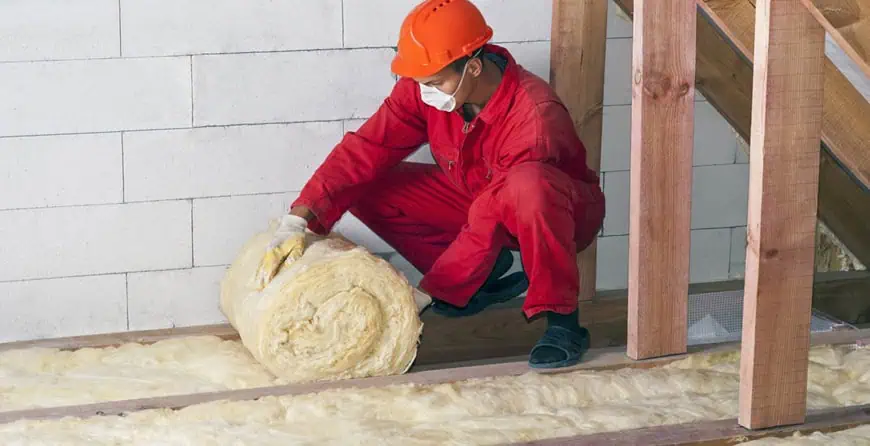
Home insulation is a critical component in maintaining a comfortable, energy-efficient home. By limiting the transfer of heat in and out of your home, roof insulation helps create a more stable indoor temperature, reducing energy bills and enhancing overall comfort. This article explores what home insulation is, how it works, and why it’s an essential investment for any homeowner.
Understanding Home Insulation
Home insulation is a material installed in walls, floors, ceilings, and attics to reduce the flow of heat between the inside and outside of your home. This barrier slows down the transfer of heat, keeping warm air inside during the winter and blocking outside heat from entering in the summer. Common insulation materials include fiberglass, cellulose, foam, and polystyrene, each with specific properties and applications.
How Home Insulation Works
The effectiveness of insulation is measured by its R-value, which indicates the material’s resistance to heat flow. The higher the R-value, the better the insulation is at slowing heat transfer. Insulation works by trapping tiny air pockets that resist heat flow, preventing warm or cool air from easily passing through walls, floors, or ceilings. This insulation layer helps maintain consistent indoor temperatures, reducing the need for heating and cooling.
Types of Home Insulation
There are several types of insulation materials, each designed for different parts of the home. Common types include:
- Fiberglass Insulation: Popular for walls, attics, and floors, fiberglass is affordable and offers good thermal performance.
- Cellulose Insulation: Made from recycled paper, cellulose is eco-friendly and effective for walls and attics.
- Spray Foam Insulation: Applied as a liquid that expands to fill gaps, spray foam is ideal for sealing hard-to-reach areas and providing strong insulation.
- Polystyrene Insulation (XPS): Extruded polystyrene (XPS) is durable, moisture-resistant, and often used in basements and exterior walls.
- Reflective Insulation: Radiant barriers reflect heat rather than absorbing it, making them suitable for attics in hot climates.
Why Is Home Insulation Important?
Home insulation provides a range of benefits, from cost savings to comfort. Here are the key reasons why ceiling insulation is essential:
Energy Efficiency
Proper insulation reduces the amount of energy needed to heat and cool your home by minimizing heat transfer. This efficiency not only lowers utility bills but also reduces your home’s carbon footprint, making it an environmentally responsible choice.
Comfort
Insulation helps maintain a consistent temperature throughout your home, eliminating hot or cold spots. This stability improves comfort year-round, keeping you warm in winter and cool in summer. Without insulation, your home’s temperature would fluctuate more frequently, making it harder to achieve the comfort you desire.
Noise Reduction
In addition to thermal benefits, insulation provides soundproofing by reducing noise transmission between rooms and floors. This is particularly useful in multi-story homes, apartments, and urban areas where outside noise can be a concern.
Moisture Control
Some insulation types, such as spray foam and XPS, offer moisture resistance, preventing condensation buildup within walls. This helps reduce the risk of mold and mildew, which can cause structural damage and health issues. In areas with high humidity, moisture-resistant insulation is crucial for preserving your home’s indoor air quality.
Increased Home Value
Homes with proper insulation are often more attractive to buyers due to the long-term energy savings and comfort they provide. Investing in insulation can improve your home’s resale value and make it more appealing in a competitive housing market.
Where to Install Insulation in Your Home
Effective insulation requires installing the right materials in specific areas of your home:
- Attic Insulation: Insulating the attic is essential, as heat rises and escapes through the roof if it isn’t properly insulated.
- Wall Insulation: Walls make up a significant portion of a home’s surface area, so insulating them can have a big impact on energy efficiency.
- Floor Insulation: Floors above unheated spaces, such as garages or basements, benefit from insulation to prevent heat loss.
- Crawl Spaces and Basements: These areas are prone to moisture and temperature fluctuations, making insulation important for energy savings and comfort.
How to Choose the Right Insulation for Your Home
Choosing the right insulation depends on factors such as your climate, budget, and the specific areas you’re insulating. In colder climates, insulation with a higher R-value may be necessary, while in warmer areas, radiant barriers might be more beneficial for reducing cooling costs. Consider the installation requirements, durability, and resistance to moisture and pests when selecting insulation.
The Long-Term Savings of Insulating Your Home
Although insulating your home involves an upfront investment, it offers long-term financial benefits. Reduced energy bills can offset the initial costs over time, and the longevity of quality insulation ensures continued savings for years. Home insulation can pay for itself through reduced energy use, increased property value, and fewer maintenance expenses related to moisture or structural damage.
More Than Just a Barrier to Heat Transfer
Home insulation is more than just a barrier to heat transfer; it’s a comprehensive solution that enhances energy efficiency, comfort, and value. With various insulation options available, you can find the right type to suit your home’s unique needs. Investing in insulation is one of the most effective ways to improve your living environment, reduce energy costs, and create a more sustainable home.