
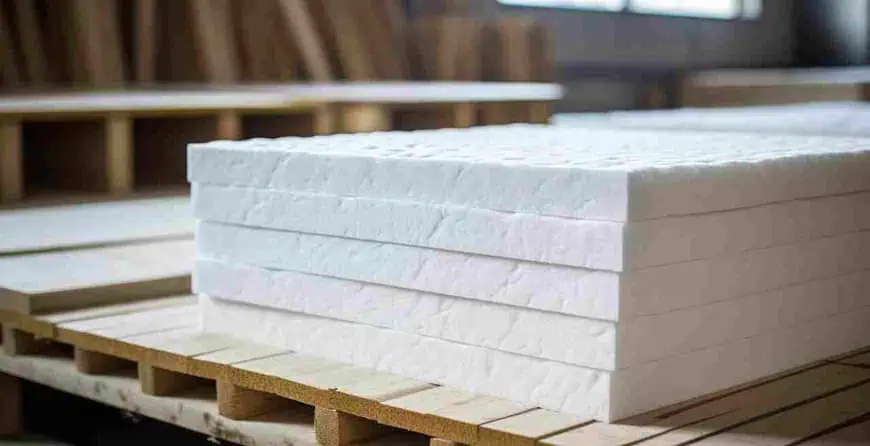
In today’s world of rising energy costs and increasing environmental awareness, effective insulation is key to creating energy-efficient homes and buildings. Polystyrene has become one of the go-to choices for insulation, offering excellent thermal resistance, lightweight construction, and moisture resistance. In this article, we’ll dive into the benefits, types, and applications of polystyrene insulation, helping you understand why it’s such a popular choice for both residential and commercial spaces.
What is Polystyrene Insulation?
Polystyrene is a type of synthetic polymer derived from styrene, a liquid hydrocarbon. It’s commonly found in products we encounter every day, such as packaging and disposable cups. For insulation purposes, polystyrene comes in two main forms:
- Expanded Polystyrene (EPS): Often referred to as “beadboard,” EPS is a rigid, foam-like material with a cellular structure that traps air, offering strong insulation. It’s lightweight, relatively inexpensive, and widely used in a variety of insulation applications.
- Extruded Polystyrene (XPS): This is a denser, more durable form of polystyrene that offers higher thermal resistance and moisture resistance than EPS. XPS insulation products, such as Summit XPS, are commonly used in areas that require more durable insulation, such as walls, floors, and roofs.
Key Benefits of Polystyrene Insulation
Polystyrene insulation offers a range of benefits that make it ideal for many construction projects. Some of the most notable advantages include:
1. Excellent Thermal Performance
Polystyrene insulation has an impressive R-value per inch, which measures its thermal resistance. Both EPS and XPS retain heat well, helping to maintain a stable indoor temperature by reducing heat transfer between the inside and outside. This means lower energy bills and increased comfort throughout the year.
2. Moisture Resistance
XPS insulation, in particular, has closed-cell structures that prevent water absorption, making it suitable for applications where moisture might be an issue, such as in basement walls or exterior insulation. EPS is also moisture-resistant to some extent, although less so than XPS, making it better suited for above-ground applications.
3. Durability and Longevity
Polystyrene insulation is a long-lasting solution that doesn’t deteriorate quickly, giving it a lifespan that matches the structures it insulates. Properly installed, polystyrene insulation can last for decades, making it a cost-effective investment.
4. Lightweight and Easy to Install
Both EPS and XPS are lightweight and easy to work with, making installation straightforward. This minimizes labor costs and speeds up the construction process.
5. Environmentally Friendly Options
Polystyrene is recyclable and can be reprocessed into new insulation products. Plus, with the energy savings it provides, polystyrene insulation indirectly contributes to lower greenhouse gas emissions by reducing the energy required for heating and cooling.
Types of Polystyrene Insulation
The two main types of polystyrene insulation, EPS and XPS, are used in different applications depending on project requirements:
- EPS (Expanded Polystyrene): This is often used in non-structural applications where insulation needs are moderate, such as in wall cavities, ceilings, and exterior insulation finishing systems (EIFS).
- XPS (Extruded Polystyrene): XPS like Isoboard panels is commonly used in structural applications due to its higher compressive strength and moisture resistance, making it ideal for foundation insulation, roof insulation, and high-traffic areas like garages and basements.
Applications of Polystyrene Insulation
Polystyrene insulation is versatile and can be used in numerous construction applications. Here are some of the most common areas where EPS and XPS insulation are applied:
1. Roof Insulation
Both flat and pitched roofs benefit from polystyrene insulation, which helps maintain a consistent indoor temperature. XPS is often the preferred choice for roofing due to its durability and moisture resistance, which makes it more suitable for exposure to the elements.
2. Wall Insulation
Polystyrene boards are widely used in cavity wall insulation and external wall insulation systems. Polystyrene sheets, such as Isoboard and Summit XPS, offer effective thermal insulation for walls and improve the building’s overall thermal efficiency.
3. Floor Insulation
Polystyrene can be installed under concrete slabs or screeds to provide thermal insulation from the ground. XPS, in particular, is a good choice for floor insulation due to its ability to withstand compressive loads, making it suitable for areas with heavy foot traffic or equipment.
4. Ceiling Insulation
Polystyrene ceiling boards are a popular choice for ceiling insulation, helping to regulate temperatures within a room. For example, Isoboard and Summit XPS polystyrene ceiling boards are often used in South Africa to enhance indoor comfort and reduce energy costs in residential and commercial buildings.
5. Foundation Insulation
In colder climates, insulating the foundation is essential to prevent heat loss through the ground. XPS is commonly used in foundation insulation as it provides robust thermal resistance and is not affected by moisture, making it ideal for below-grade applications.
Polystyrene Insulation and the Environment
While polystyrene insulation is derived from petroleum-based products, it has a relatively low environmental impact when compared to other forms of insulation. The energy savings and emissions reductions from using polystyrene insulation offset the energy used in its production over the insulation’s lifespan. Furthermore, many manufacturers are now using recycled polystyrene in their products, which helps reduce waste.
Installation Tips
When installing polystyrene insulation, consider these tips to ensure maximum efficiency and durability:
- Choose the Right Thickness: The thickness of the insulation will affect its R-value. Consult with a professional or refer to local building codes to ensure you’re using the correct thickness for your application.
- Seal All Joints: For optimal insulation performance, make sure to seal all joints between polystyrene panels with tape or sealant. This prevents heat loss through gaps and enhances the insulation’s effectiveness.
- Use Proper Fasteners: Polystyrene is lightweight, but it’s essential to secure it properly. Use fasteners designed for polystyrene insulation, especially in areas exposed to wind or other stresses.
- Consider a Vapor Barrier: In certain applications, such as basement insulation, adding a vapor barrier may be beneficial to prevent moisture buildup behind the insulation.
Is Polystyrene Insulation Right for Your Project?
Polystyrene insulation offers a versatile and effective solution for various applications, from residential buildings to commercial projects. Its durability, moisture resistance, and excellent thermal performance make it a cost-effective option for energy-efficient insulation. While EPS and XPS have different properties, both types can be tailored to meet the needs of specific projects, whether they require higher strength or a more budget-friendly option.
By choosing the right type of polystyrene insulation and following best practices for installation, you can enjoy long-term energy savings, increased comfort, and a more environmentally friendly building. Whether you’re looking to insulate walls, ceilings, floors, or foundations, polystyrene insulation is an option worth considering.