
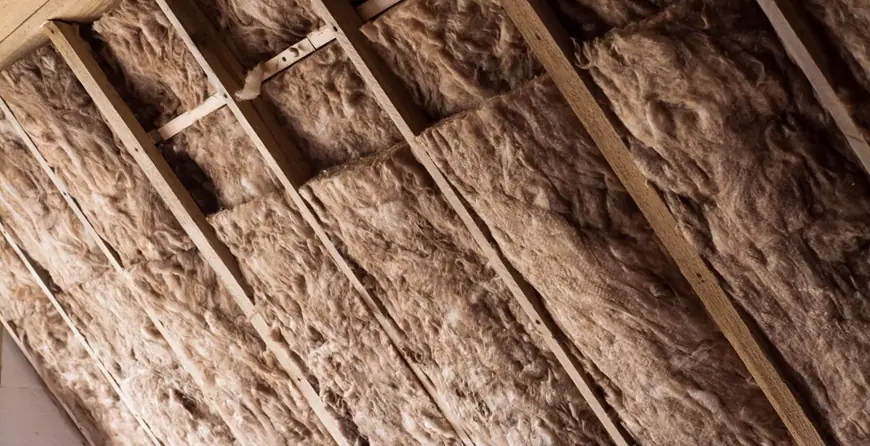
Insulation is a critical component of a home’s energy efficiency, helping maintain comfortable indoor temperatures year-round and reducing energy costs. However, like most building materials, insulation doesn’t last forever. Over time, insulation can lose effectiveness, and there are signs that indicate it may be time for replacement. Understanding when to replace insulation can improve energy efficiency, indoor comfort, and even the air quality of your home. This article explores the lifespan of different insulation types, signs of deterioration, and how often you should consider replacing the insulation.
The Lifespan of Common Insulation Types
Each type of insulation has a unique lifespan depending on its material and quality. Here’s an overview of the expected longevity for some of the most common insulation types:
- Fiberglass Insulation: Typically, fiberglass insulation can last 20–30 years if properly installed and undisturbed. However, it can degrade over time due to moisture exposure or physical damage, which reduces its effectiveness.
- Spray Foam Insulation: Spray foam insulation is known for its durability, with a lifespan of up to 80 years when installed correctly. However, the open-cell version may need more frequent replacement in high-humidity areas due to potential moisture absorption.
- Cellulose Insulation: Made from recycled paper treated with fire-retardant chemicals, cellulose insulation can last about 20–30 years. Although it settles over time, cellulose can still be effective if periodically inspected and topped up.
- Mineral Wool (Rock Wool) Insulation: Mineral wool is a resilient material that can last upwards of 30 years, especially in dry conditions. It’s naturally fire-resistant and less susceptible to mold, giving it a longer lifespan than some other options.
- Foam Board Insulation: Foam board insulation, commonly made from polystyrene, has a lifespan of 20–30 years, though it may degrade if exposed to moisture or pests.
Signs That It’s Time to Replace Insulation
In many cases, insulation needs replacement sooner than its maximum lifespan due to wear, environmental conditions, or home renovation projects. Here are some common signs that it may be time to replace your home’s insulation:
1. Temperature Fluctuations and Drafts
If you notice cold spots, drafts, or uneven temperatures throughout your home, it may be due to degraded insulation. Insulation that has settled, shifted, or lost its effectiveness can no longer provide a uniform barrier, allowing cold or hot air to enter and disrupting indoor comfort.
2. Increased Energy Bills
A sudden increase in heating and cooling costs is often one of the first indicators of ineffective insulation. When insulation is no longer providing proper thermal resistance, your HVAC system must work harder to maintain comfortable temperatures, leading to higher energy bills.
3. Visible Damage or Mold Growth
Moisture is a significant enemy of insulation. If you see signs of mold or mildew, especially in the attic or basement, it could indicate that moisture has compromised your insulation. Moldy or damp insulation not only loses its effectiveness but also poses health risks, particularly to individuals with allergies or respiratory conditions.
4. Pest Infestations
Pests, such as rodents or insects, can nest in or damage insulation, leading to reduced insulation performance. Pest infestations often leave droppings, odor, or even holes in insulation material, which can allow drafts and moisture infiltration. In such cases, insulation replacement may be necessary to remove any pest residue and restore effectiveness.
5. Settling or Compression
Over time, insulation materials, particularly cellulose or fiberglass, may settle or compress, which reduces their R-value (insulating effectiveness). Settling is especially common in attics, where gravity causes insulation to compress. Topping off or replacing settled insulation can improve energy efficiency and ensure that the insulation is still effective.
How Often Should You Replace Insulation?
The frequency of insulation replacement depends on factors like the insulation type, the climate of the area, and specific issues such as moisture exposure or pest damage. Here are some general guidelines:
Fiberglass Insulation
Fiberglass insulation usually doesn’t need replacement until 20–30 years after installation unless it becomes damp or damaged. However, it’s wise to inspect fiberglass insulation every 10 years, especially if it’s in the attic or basement, to check for settling, gaps, or moisture issues. If the fiberglass has become compacted or is no longer evenly distributed, replacement might be necessary. Best glasswool products to use are Knauf insulation and Aerolite insulation.
Spray Foam Insulation
With a lifespan of up to 80 years, spray foam insulation rarely requires replacement. However, it should be inspected every 10–15 years to ensure that it’s still adhering to surfaces and hasn’t been exposed to leaks or UV light, which can degrade its integrity. Open-cell spray foam in humid climates may require more frequent inspection due to potential moisture absorption.
Cellulose Insulation
Cellulose insulation, while eco-friendly, settles over time, which can reduce its effectiveness. After 15–20 years, it may be necessary to top it off or replace it if there are gaps or signs of settling. Homes with cellulose insulation should have a professional inspection every 5–10 years to monitor for moisture damage and pest infestations.
Mineral Wool Insulation
Mineral wool is relatively durable, lasting 30 years or more, but it can be damaged by excessive moisture. Inspect mineral wool insulation every 10 years, especially in areas with high humidity or leaks. If it remains dry and in good condition, mineral wool insulation generally does not need frequent replacement.
Foam Board Insulation
Foam board insulation has an average lifespan of 20–30 years. Regular inspection every 10 years is recommended, particularly if the foam boards are exposed to moisture or installed in exterior walls. If any water damage, warping, or signs of compression are visible, it may be time for replacement.
Maintenance Tips to Extend the Lifespan of Insulation
To make the most of your insulation and potentially extend its lifespan, regular maintenance is essential. Here are some tips to help:
- Inspect Annually: Regularly inspect insulation in attics, basements, and crawl spaces for any signs of moisture, pests, or damage.
- Address Leaks and Moisture Issues: Moisture is the leading cause of insulation degradation. Repair any roof leaks, plumbing leaks, or other sources of moisture promptly to prevent mold growth and protect insulation.
- Seal Air Leaks: Reducing drafts around windows, doors, and other openings can improve insulation efficiency, making it last longer and perform better.
- Keep an Eye on HVAC Performance: Inefficient heating or cooling may indicate problems with your insulation. If you notice that your HVAC system is working harder, it may be time to assess your insulation quality.
- Schedule Professional Inspections: Having a professional evaluate your insulation periodically can catch issues early. Experts can identify settling, moisture damage, and other factors that may compromise insulation performance.
Conclusion
Understanding how often to replace your home’s insulation depends on various factors, including insulation type, environmental conditions, and the presence of issues such as moisture or pests. Regular inspections and maintenance can help extend insulation life and ensure it performs effectively. By proactively managing your insulation, you can maintain a comfortable, energy-efficient home while potentially saving on energy costs.