
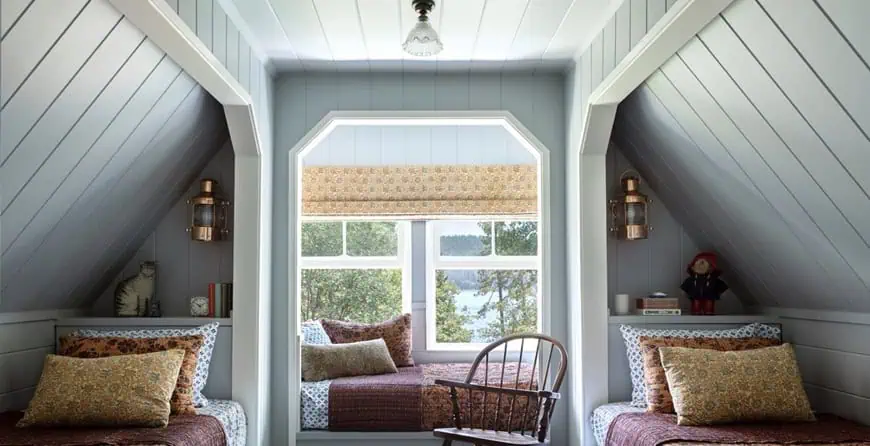
Transforming an attic or loft into a functional, inviting space requires careful attention to ceiling choices. These spaces, often tucked beneath sloped roofs and irregularly shaped, benefit from tailored ceiling solutions that enhance insulation, soundproofing, aesthetics, and overall utility.
Selecting the right ceiling option for an attic or loft requires balancing style, performance, and budget to meet specific needs. This article explores some of the best ceiling solutions for attics and lofts, covering materials such as drywall, wooden ceilings, PVC, exposed beams, acoustic ceilings, and insulated ceiling boards. Each option offers unique benefits to help you make the most of your attic or loft transformation.
1. Drywall Ceilings
Drywall is a popular, versatile ceiling choice for attics and lofts, offering a smooth, adaptable surface that can accommodate various finishes. Drywall is particularly useful in attics and lofts with complex layouts or irregular shapes because it can be cut and fitted to unique spaces seamlessly. Additionally, drywall has fire-resistant properties, making it a safe option for enclosed spaces with sloped or low ceilings. When painted, drywall creates a flat, contemporary look that enhances the visual height of the room and complements various design themes. Soundproofing and insulation features can be added, making it easier to maintain a comfortable temperature and control noise levels.
Drywall installation can be moderately priced, although the total cost can increase if special finishes or additional layers for soundproofing and insulation are required. Despite the need for occasional maintenance like repainting, drywall remains a cost-effective solution for homeowners seeking a customizable and functional ceiling option for their attic or loft space.
2. Wooden Ceilings
Wooden ceilings add warmth, character, and a natural feel to lofts and attics, creating a cozy ambiance that makes these spaces feel inviting. Wooden ceilings can be constructed from materials like knotty pine, cedar, or oak, and they are available in styles like tongue-and-groove planks, paneling, or wood tiles. They’re especially suited for homes that emphasize rustic or traditional aesthetics, and they provide excellent insulation, which helps keep the attic warm in winter and cool in summer. In terms of sound insulation, wood also performs well, reducing echo and noise transmission within the space.
Though wooden ceilings are more costly than some other options, their durability and unique appearance make them a worthwhile investment. In humid climates or areas prone to pests, it’s important to treat the wood against moisture and insects. Regular maintenance, such as re-staining or varnishing, may be required to maintain the wood’s appearance and integrity. Ultimately, wooden ceilings are ideal for homeowners who want a natural look and feel in their attic or loft space.
3. PVC Ceilings
PVC ceilings are a popular choice for attic spaces due to their lightweight construction, ease of installation, and durability. PVC panels are available in various colors, patterns, and textures, offering design flexibility for a range of styles, from minimalist to modern. One of the key advantages of PVC is its resistance to moisture, making it ideal for attics that may experience dampness or limited ventilation. PVC panels are also highly resistant to mold, mildew, and insects, which helps minimize maintenance needs.
PVC is easy to clean and requires little upkeep, and it works well for both standard and irregularly shaped attic spaces. However, while PVC provides a neat finish, it offers limited insulation properties. Homeowners can compensate by installing an additional insulation layer behind the PVC panels. PVC ceilings provide a cost-effective, low-maintenance option for attics and lofts where ease of upkeep is a priority.
4. Exposed Beam Ceilings
Exposed beam ceilings offer an eye-catching, architectural look, especially popular in loft spaces with high or vaulted ceilings. This design showcases the structural beams of the attic, often treating or staining them to enhance their natural beauty. Exposed beams add a sense of height and openness to attics and lofts, creating a visually engaging space that makes the most of the room’s unique structure. This style is particularly suited to rustic, industrial, or farmhouse aesthetics and can be paired with drywall, plaster, or wood panels in between the beams for added insulation.
Exposed beam ceilings are generally more expensive than other options due to the cost of treating and finishing the wood, as well as additional insulation or weatherproofing required for the open spaces between beams. However, they add considerable character to the space and are highly durable when properly treated. Although maintenance may be required to prevent wear from moisture and pests, exposed beams create a timeless look that adds value and style to any attic or loft.
5. Acoustic Ceilings
If your attic or loft is intended for use as a studio, office, or entertainment room, acoustic ceilings may be an ideal choice. Acoustic ceiling tiles are designed to minimize noise transfer, creating a quieter and more private environment. Acoustic ceiling tiles can be mounted directly to the ceiling or used as part of a suspended grid system, depending on the desired look and function. Acoustic ceilings are available in a variety of textures and finishes, allowing homeowners to match them with the room’s decor while still achieving superior sound control.
Acoustic ceiling solutions are moderately priced, although the exact cost can vary depending on the material and installation complexity. Regular maintenance is typically limited to dusting and cleaning to maintain their appearance. Overall, acoustic ceilings are highly functional for sound-sensitive attic and loft spaces, providing an ideal blend of aesthetic flexibility and noise reduction capabilities.
6. Insulated Ceiling Boards
For attics and lofts that experience extreme temperatures, insulated ceiling boards provide an energy-efficient solution. Insulated boards, such as expanded polystyrene (EPS) or extruded polystyrene (XPS), offer excellent thermal insulation, which helps regulate indoor temperatures and reduces the need for additional heating or cooling. Insulated ceiling boards can also be combined with other materials, like drywall or PVC, to create a finished look while boosting energy savings. This makes them particularly beneficial for attics and lofts that are used as living spaces or home offices where comfort is essential.
While insulated ceiling boards are more costly upfront, their energy-saving potential makes them a smart long-term investment. They help reduce utility bills by keeping the attic cool in summer and warm in winter, which is especially valuable in regions with extreme weather fluctuations. Installation is relatively straightforward, though additional sealing and reinforcement may be required for optimal insulation performance. Overall, insulated ceiling boards provide a highly functional option for maximizing thermal efficiency and comfort in attic or loft spaces.
Selecting The Best Ceiling Solution
Selecting the best ceiling solution for your attic or loft space depends on various factors, including budget, insulation needs, style preferences, and intended use of the area. Drywall ceilings provide a versatile, affordable option with the potential for custom finishes, while wooden ceilings offer warmth and visual appeal, making them ideal for rustic or cozy spaces. PVC ceilings provide a low-maintenance, moisture-resistant choice, while exposed beams add architectural character and a sense of openness.
Acoustic ceilings are a smart option for spaces where sound control is essential, and insulated ceiling boards offer superior energy efficiency and temperature control. By evaluating the unique needs of your attic or loft, as well as your design goals, you can select the ceiling solution that will best transform your space into a comfortable, attractive, and functional area that complements the rest of your home.