
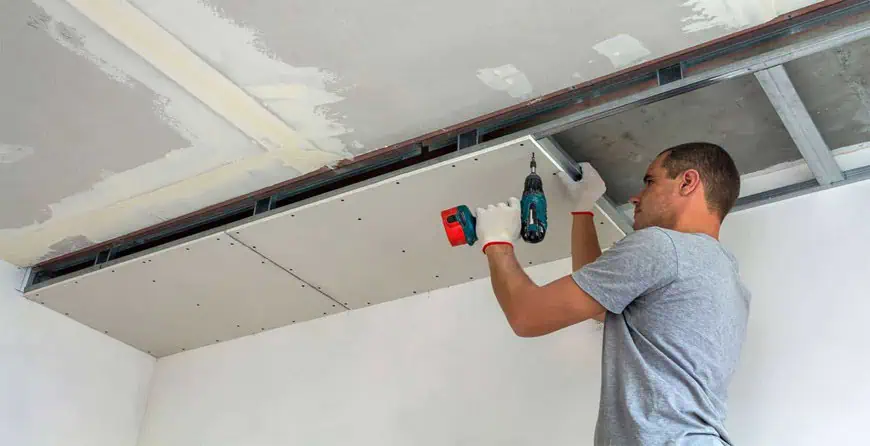
When it comes to ceiling materials, Rhinoboard and XPS (Summit XPS Polystyrene) ceilings are two popular options in South Africa. Each material offers unique benefits, making it suitable for different types of projects. Rhinoboard is known for its versatility and durability, while XPS ceilings excel in insulation and lightweight applications. Here, we’ll dive into the differences, benefits, and potential applications of Rhinoboard ceilings and XPS ceilings to help you make an informed decision for your building needs.
Overview of Rhinoboard Ceilings
Rhinoboard ceilings are a type of gypsum board that is commonly used in South African construction for interior ceilings and walls. Known for their smooth finish, strength, and flexibility, Rhinoboard ceilings are versatile and compatible with various ceiling designs, including suspended ceilings and plastered ceilings.
Benefits of Rhinoboard Ceilings
- Smooth Finish: Rhinoboard offers a seamless, smooth finish that is ideal for modern interiors. It’s often used as a base for plastering, which provides a clean, high-quality appearance.
- Fire Resistance: One of Rhinoboard’s significant advantages is its fire-resistant properties. Gypsum, the primary component of Rhinoboard, is naturally non-combustible and can provide an additional layer of safety.
- Durability and Strength: Rhinoboard ceilings are strong and can withstand the weight of suspended light fixtures and ventilation systems, making them suitable for high-traffic areas.
- Sound Insulation: The density of Rhinoboard contributes to its ability to absorb sound, making it an excellent choice for noise reduction in residential and commercial spaces.
Applications of Rhinoboard Ceilings
- Residential Homes: Used in living rooms, bedrooms, and kitchens, where a smooth and refined ceiling is desired.
- Commercial Spaces: Commonly installed in offices, retail stores, and hotels due to its durability and clean aesthetic.
- Fire-Safe Areas: Ideal for areas where fire resistance is essential, such as kitchens and commercial spaces.
Overview of XPS Ceilings
XPS ceilings, made from Extruded Polystyrene, are widely used in insulation applications. With a lightweight structure and high thermal resistance, Summit XPS ceilings are becoming increasingly popular for projects requiring energy-efficient solutions. XPS boards like Summit XPS are especially suitable for environments where thermal efficiency and moisture resistance are prioritized.
Benefits of XPS Ceilings
- Exceptional Thermal Insulation: XPS ceilings provide excellent insulation, reducing heat transfer and helping to maintain indoor temperatures. This makes them ideal for buildings that aim to improve energy efficiency.
- Moisture Resistance: Unlike traditional ceiling materials, XPS is highly resistant to moisture and prevents mold growth. This makes XPS ceilings particularly well-suited for humid areas or spaces with potential moisture exposure.
- Lightweight and Easy to Install: XPS boards are lightweight, making them easier and faster to install compared to gypsum-based materials. This also reduces the overall load on the ceiling structure.
- Cost-Effective: Due to their insulation properties, XPS ceilings help reduce heating and cooling costs, offering long-term savings. Additionally, the material itself is often more affordable and cost-effective than alternatives.
Applications of XPS Ceilings
- Energy-Efficient Homes: Ideal for homes that require additional insulation to reduce energy bills and maintain a comfortable indoor temperature.
- Humid Environments: Great for bathrooms, basements, and kitchens where moisture resistance is essential.
- Commercial and Industrial Spaces: Used in warehouses, offices, and factories to improve energy efficiency and insulation.
Conclusion
Both Rhinoboard and XPS ceilings bring distinct advantages to construction and renovation projects, depending on the specific needs of the space. Rhinoboard excels in durability, fire resistance, and sound insulation, making it a strong choice for high-traffic areas and spaces requiring an elegant, smooth finish. On the other hand, XPS ceilings offer exceptional thermal and moisture resistance, making them ideal for energy-conscious projects and areas prone to humidity.
For an energy-efficient home or commercial space where moisture control and quick installation are essential, XPS ceilings are a fantastic solution. Meanwhile, for projects prioritizing fire safety, sound insulation, and a plaster-ready finish, Rhinoboard ceilings stand out as the better choice.