
Extruded Polystyrene (XPS) insulation is one of the most widely used insulation materials for both residential and commercial construction projects. Known for its impressive thermal resistance, high compressive strength, and moisture resistance, XPS is a reliable choice for creating energy-efficient buildings and lowering heating and cooling costs. In this article, we’ll explore what XPS insulation is, how it’s used, and why it’s so effective in a variety of construction applications.
What is Extruded Polystyrene (XPS) Insulation?
XPS is a type of rigid foam insulation made from polystyrene, a thermoplastic polymer. It’s created by extruding melted polystyrene resin through a special mold, producing a closed-cell structure with evenly distributed air pockets that provide excellent insulation properties. This closed-cell structure makes XPS more resistant to water absorption and compressive forces compared to other insulation types, such as Expanded Polystyrene (EPS) or open-cell foam.
Key Benefits of XPS Insulation
XPS insulation offers several benefits, making it a top choice for a range of insulation needs. Here are some of the reasons why builders and homeowners opt for XPS:
1. Superior Thermal Performance
XPS insulation has a high R-value per inch, which means it provides excellent thermal resistance. This is particularly valuable in reducing heat transfer through walls, floors, and roofs, helping to maintain stable indoor temperatures and reduce energy costs year-round.
2. Moisture Resistance
The closed-cell structure of XPS makes it highly resistant to moisture, which helps prevent mold growth and water damage. This makes it ideal for applications where the insulation may come into contact with water, such as basement walls or foundation insulation.
3. High Compressive Strength
XPS is known for its durability and high compressive strength, which makes it well-suited for applications requiring load-bearing capacity, like under concrete slabs, parking decks, and floors in high-traffic areas. XPS can withstand heavy loads without losing its insulating properties, ensuring long-lasting performance.
4. Lightweight and Easy to Install
Despite its durability, XPS is lightweight and easy to handle, simplifying the installation process. This can help reduce labor costs and installation time, making it a cost-effective choice for many projects.
5. Environmentally Friendly
XPS insulation is recyclable and can be reused, contributing to waste reduction. Its long lifespan and energy-saving benefits also make it a more environmentally friendly choice compared to traditional insulation materials, as it can significantly reduce heating and cooling demands.
Applications of Extruded Polystyrene
XPS is incredibly versatile and is used in a variety of applications, including:
1. Roof Insulation
XPS is commonly used in roofing applications where both insulation and durability are required. Its moisture-resistant properties make it especially suitable for flat roofs, preventing water infiltration that could compromise insulation effectiveness. XPS boards, such as Summit XPS ceilings, are a popular choice for roofing insulation in South Africa.
2. Wall Insulation
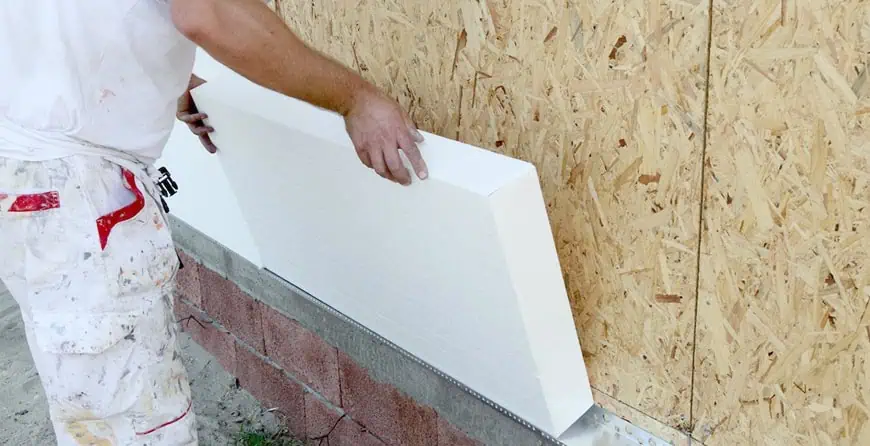
XPS boards are ideal for insulating both exterior and interior walls. They’re often used in cavity wall insulation systems and can be attached to the exterior of walls as a continuous insulation layer, minimizing thermal bridging. The high R-value of XPS makes it effective in preventing heat loss or gain, enhancing a building’s energy efficiency.
3. Floor and Slab Insulation
Due to its high compressive strength, XPS is an excellent option for insulating floors and under concrete slabs. In applications like basements, garages, and commercial floors, XPS helps maintain temperature consistency while also bearing significant loads. Additionally, XPS’s moisture resistance protects floors from dampness.
4. Foundation Insulation
In colder climates, insulating the foundation is essential to prevent heat loss. XPS is commonly used for foundation insulation due to its durability and moisture resistance. Installed around the perimeter of the foundation, it creates a thermal barrier that helps keep indoor spaces warmer in winter and cooler in summer.
5. Ceiling and Attic Insulation
While EPS and other insulation types are common for attic spaces, XPS can also be used for ceiling and attic insulation in areas where durability and moisture resistance are required. For example, in high-humidity regions, XPS can be an excellent choice to prevent moisture buildup.
Extruded Polystyrene vs. Other Insulation Types
Understanding how XPS compares to other insulation types is key to selecting the right material for your project. Here’s a quick look at how it stacks up:
- XPS vs. EPS: EPS, or Expanded Polystyrene, is less dense and has a lower R-value per inch compared to XPS. EPS is typically cheaper but is less moisture-resistant, making it better for above-ground applications. XPS, on the other hand, offers higher durability and moisture resistance, making it suitable for structural and below-grade applications.
- XPS vs. Polyurethane Foam: Polyurethane spray foam insulation has a higher R-value per inch than XPS but is also more expensive. Spray foam is often used in hard-to-reach areas where custom shaping is required, while XPS is used in applications needing rigid, durable panels.
- XPS vs. Mineral Wool: Mineral wool is fire-resistant and offers good soundproofing, but it lacks the moisture resistance of XPS. XPS is preferred in wet environments, while mineral wool is often chosen for applications where fire resistance is a priority.
Best Practices for Installing Extruded Polystyrene
Proper installation of XPS insulation is essential to maximizing its performance. Here are some tips to ensure you get the most out of your XPS insulation:
- Ensure Proper Sealing: For optimal thermal performance, make sure to seal all gaps between XPS boards using tape or adhesive. This prevents air infiltration and further improves the insulation’s effectiveness.
- Choose the Right Thickness: The thickness of XPS will affect its R-value, so consult building codes or a professional to determine the correct thickness for your specific needs.
- Use Mechanical Fasteners: Depending on the application, secure the XPS boards with mechanical fasteners or adhesives to prevent shifting. This is especially important in high-traffic or load-bearing areas.
- Consider Vapor Barriers in Humid Areas: Although XPS is moisture-resistant, some applications, like basement walls, may benefit from an additional vapor barrier to prevent condensation from forming on the insulation.
- Handle Carefully During Installation: While XPS is durable, avoid exposing it to prolonged sunlight during installation, as UV rays can degrade the material over time.
Is XPS Insulation Right for Your Project?
XPS insulation provides a unique combination of strength, thermal performance, and moisture resistance, making it suitable for a wide variety of insulation needs. Whether you’re insulating a home, commercial building, or even a specific area like a foundation or rooftop, XPS insulation is an investment in energy efficiency, comfort, and durability.
By carefully selecting the right XPS product and following installation best practices, you can achieve long-lasting energy savings and create a more comfortable indoor environment.
Final Thoughts
With its numerous benefits and versatile applications, XPS insulation is an excellent choice for construction projects that require reliable, high-performance insulation. Its durability, moisture resistance, and superior R-value per inch make it a preferred option for architects, builders, and homeowners alike. As more builders prioritize energy efficiency, XPS insulation products like Isoboard Insulation continue to play a crucial role in modern, sustainable building practices.
For anyone looking to reduce energy costs, enhance comfort, and create an environmentally friendly structure, XPS insulation is well worth considering.