
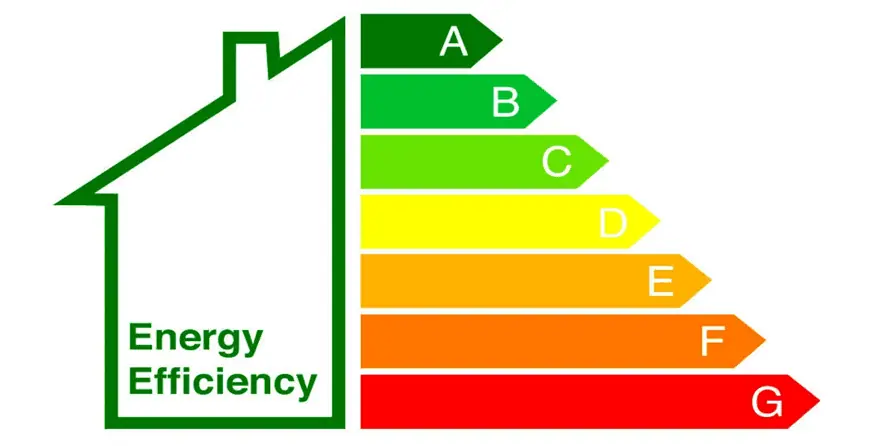
Insulation is a key component in making homes and buildings more energy-efficient. By reducing the amount of heat that flows into or out of a structure, insulation creates a barrier that stabilizes indoor temperatures, reducing the need for heating and cooling. This not only keeps energy costs down but also reduces environmental impact. Let’s explore how insulation improves energy efficiency and why it’s an essential investment for any building.
What Is Insulation?
Insulation for roofing refers to materials that limit the transfer of heat. Typically installed in walls, floors, ceilings, and attics, insulation materials like fiberglass, cellulose, foam, and polystyrene are designed to trap air and resist heat flow. This process keeps warm air inside during winter and outside during summer, leading to a more stable indoor temperature and reducing the workload on heating, ventilation, and air conditioning (HVAC) systems.
How Insulation Works to Control Heat Flow
Heat naturally moves from warmer to cooler spaces. In winter, it flows from the warmer interior of a home to the cooler outdoors, while in summer, heat flows from the warm outdoors into the cooler indoor spaces. Insulation slows this transfer by creating a thermal barrier between the interior and exterior of a building. The effectiveness of insulation is measured by its R-value, which indicates the material’s resistance to heat flow. Higher R-values mean better thermal performance, improving a building’s energy efficiency.
The Role of Insulation in Reducing Heating and Cooling Demands
Heating and cooling are among the largest energy consumers in most buildings. When a building is poorly insulated, HVAC systems have to work harder to maintain a comfortable temperature, leading to higher energy consumption and costs. Proper insulation minimizes heat loss and gain, reducing the need for constant heating in winter and cooling in summer. This translates to lower energy bills and less wear on HVAC equipment, which can lead to fewer repairs and a longer lifespan for your heating and cooling systems.
Key Areas for Insulation to Maximize Energy Efficiency
To get the most out of insulation, it’s important to insulate the following areas effectively:
- Attic Insulation: Since heat rises, attics are a common point of heat loss in homes. Proper attic insulation prevents warm air from escaping in the winter and stops hot outdoor air from entering in the summer.
- Wall Insulation: Insulating walls is crucial for reducing heat flow between the interior and exterior. Exterior walls, in particular, benefit from insulation as they are exposed to outdoor temperatures.
- Floor Insulation: Floors above unheated spaces, like basements or crawl spaces, benefit from insulation to reduce heat transfer.
- Doors and Windows: Though not typically insulated, these areas should be sealed properly to prevent drafts and air leaks, further enhancing the energy efficiency of your home’s insulation system.
How Different Types of Insulation Contribute to Energy Efficiency
There are various types of insulation materials available, each with unique properties that contribute to energy efficiency in different ways:
- Fiberglass Insulation: A popular choice due to its affordability and effectiveness, fiberglass insulation has good thermal resistance and can be installed in walls, attics, and floors.
- Cellulose Insulation: Made from recycled paper, cellulose is a sustainable choice with excellent thermal performance and soundproofing capabilities.
- Spray Foam Insulation: Spray foam expands to fill gaps, making it highly effective for sealing hard-to-reach areas and reducing air leaks, which greatly improves energy efficiency.
- Polystyrene (XPS) Insulation: Extruded polystyrene is a rigid, moisture-resistant material that works well in areas prone to dampness. It is often used in basements, floors, and exterior walls.
- Reflective Insulation and Radiant Barriers: Used primarily in hot climates, these materials reflect radiant heat away from the home, helping to reduce cooling costs.
The Environmental Benefits of Insulation
Improving energy efficiency through roof insulation also has environmental benefits. By using less energy for heating and cooling, buildings with proper insulation produce fewer carbon emissions. For those looking to reduce their environmental impact, choosing eco-friendly insulation options, like cellulose made from recycled materials, can further support sustainability efforts. Additionally, many insulation materials are designed to be durable, requiring fewer replacements over time and reducing waste.
Reducing Air Leakage and Improving HVAC Efficiency
Air leaks are a common cause of energy loss, allowing conditioned air to escape and unconditioned air to enter a building. Insulation helps to seal gaps, particularly when combined with airtight barriers in areas like attics, walls, and around windows and doors. This reduces drafts and keeps indoor air from leaking outside. With fewer drafts and air leaks, HVAC systems run more efficiently, leading to energy savings and better indoor comfort.
Increasing Indoor Comfort
A properly insulated home provides more than just energy savings—it also creates a comfortable living environment. Insulation keeps indoor temperatures more consistent by preventing hot or cold spots, making it easier to maintain a comfortable setting without constantly adjusting the thermostat. This contributes to a better quality of life for those living in the home while supporting efficient energy use.
Cost Savings from Improved Energy Efficiency
Though insulation requires an initial investment, the energy savings quickly offset the cost. In many cases, homeowners see a return on their investment in just a few years, as the reduction in heating and cooling bills adds up. Depending on the type and amount of insulation used, some homeowners may save up to 15-20% on their annual energy bills, making insulation one of the most cost-effective improvements for increasing energy efficiency.
Conclusion
Insulation is a simple yet powerful way to improve a building’s energy efficiency, comfort, and environmental footprint. By reducing heat flow and air leakage, insulation helps homes and buildings retain the energy used for heating and cooling, ultimately reducing costs and supporting sustainability. Whether you’re upgrading existing insulation or installing it for the first time, proper insulation is an invaluable investment in both energy efficiency and quality of life.