
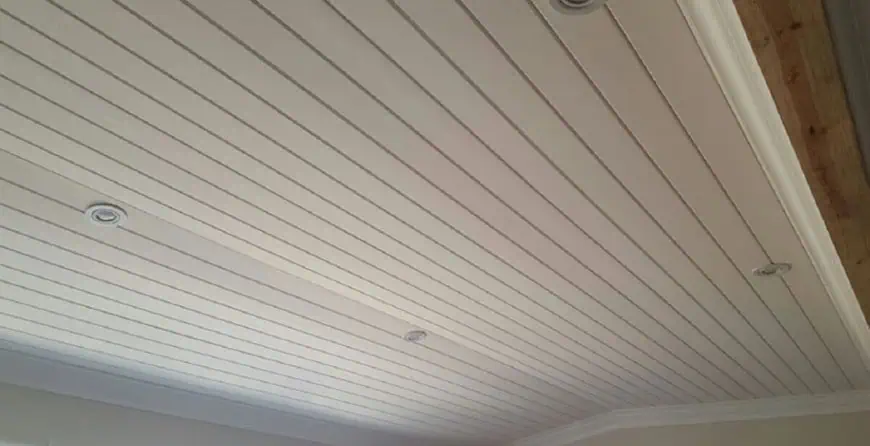
Isoboard ceilings have become a popular choice among South African homeowners and builders due to their excellent insulation properties, durability, and aesthetic appeal. As a high-density, extruded polystyrene (XPS) insulation board, Isoboard offers both a practical ceiling solution and effective thermal insulation, making it especially beneficial in climates with temperature fluctuations. In this guide, we’ll explore what Isoboard ceilings are, their benefits, installation process, and why they’re an excellent choice for various home and commercial applications.
What is Isoboard?
Isoboard is a type of extruded polystyrene rigid foam board designed to serve as an efficient insulation solution. Created by compressing and expanding polystyrene, Isoboard forms a dense, lightweight structure that provides excellent thermal resistance, helping to reduce heat transfer through ceilings. Isoboard ceiling panels are typically white and have a smooth finish that can be left as-is or painted to match any decor. These boards are highly versatile, allowing them to be used not only for ceilings but also for wall insulation, underfloor heating applications, and other areas requiring enhanced insulation.
Benefits of Isoboard Ceilings
One of the primary advantages of Isoboard ceilings is their insulation performance. With an excellent R-value per inch, Isoboard helps maintain indoor comfort by keeping spaces cool in summer and warm in winter. This reduces the need for constant heating and cooling, leading to lower energy costs. Additionally, Isoboard is resistant to moisture, which prevents issues like mold and mildew growth. Unlike some other ceiling materials, Isoboard is lightweight and easy to handle, making it suitable for a wide variety of structures, including residential homes, commercial buildings, and industrial spaces. The smooth, white finish of Isoboard ceilings gives rooms a clean, modern look, and it can be painted or customized for added aesthetic appeal.
Beyond thermal insulation, Isoboard also offers sound insulation benefits, reducing noise transmission between rooms. This is particularly beneficial in homes where privacy and noise reduction are priorities, such as in offices, bedrooms, or entertainment areas. The durability of Isoboard also adds to its appeal; it’s resistant to warping, cracking, and sagging, ensuring a longer lifespan than many other ceiling materials. It is also environmentally friendly as it’s made from a recyclable material, contributing to sustainable building practices.
Installation Process of Isoboard Ceilings
Isoboard ceilings are straightforward to install, but for best results, it’s recommended to have a professional handle the installation process. Installation involves attaching the Isoboard panels to a prepared ceiling framework using adhesives or mechanical fasteners. The boards are typically aligned to fit seamlessly, creating a smooth, uniform surface. Isoboard panels are cut to fit the room’s dimensions and can be easily modified to accommodate any beams, fixtures, or ducts.
An essential part of the installation process is ensuring proper sealing between panels. Any gaps can affect the thermal efficiency of the ceiling, so a professional installer will often use specialized foam or sealant to ensure a tight, secure fit. Once the panels are installed, the smooth surface can be left in its natural white state or painted to suit the room’s design. The final step involves trimming and finishing, ensuring a polished, integrated look that enhances the room’s appearance.
Isoboard vs. Other Ceiling Materials
When comparing Isoboard to other common ceiling materials, it stands out for its superior insulation properties. Unlike gypsum or drywall ceilings, which offer limited insulation, Isoboard significantly reduces heat transfer, making it ideal for homes in hot or cold climates. Wooden ceilings, while offering a warm aesthetic, can warp or absorb moisture over time, whereas Isoboard’s water resistance makes it more suitable for humid environments. PVC ceilings, though cost-effective and low-maintenance, do not provide the same level of thermal insulation as Isoboard, requiring additional insulation layers for similar performance.
Compared to other insulating materials like mineral wool or fiberglass, Isoboard provides a cleaner, finished look without needing additional covering. Its smooth, paintable surface makes it more versatile in terms of design, allowing homeowners to enjoy both form and function. The ease of maintenance also makes Isoboard preferable over certain types of tiles or wooden finishes, as it does not require periodic re-staining or sealing.
Applications and Uses of Isoboard Ceilings
Isoboard ceilings are highly versatile and can be used in various settings. In residential applications, they are often installed in bedrooms, living rooms, kitchens, and bathrooms, enhancing energy efficiency throughout the home. In commercial buildings, Isoboard ceilings are suitable for offices, conference rooms, and reception areas, where they contribute to a comfortable environment and help control utility costs. Industrial settings also benefit from Isoboard’s insulation properties, which make it easier to maintain consistent temperatures in warehouses or production areas.
In addition to ceiling applications, Isoboard can be used for wall insulation, creating an energy-efficient envelope in buildings. It’s also suitable for use in underfloor heating systems, where it enhances the efficiency of the heating by minimizing heat loss. The versatility of Isoboard makes it a valuable choice for any area where energy efficiency and durability are priorities.
Maintenance and Care for Isoboard Ceilings
One of the appealing aspects of Isoboard ceilings is that they require minimal maintenance. The smooth surface makes it easy to clean with a damp cloth or mild cleaning solution, helping to keep ceilings looking fresh over time. Because Isoboard is resistant to moisture and mold, it’s well-suited for use in bathrooms and kitchens, where moisture levels can be higher. Painting Isoboard is also simple, and repainting may be done periodically if there is a need to refresh the ceiling’s appearance or match new decor.
In the rare case that damage occurs, individual Isoboard panels can be replaced without disturbing the entire ceiling. This convenience makes Isoboard an attractive option for homeowners looking for a low-maintenance ceiling solution that doesn’t sacrifice appearance or performance. Regular inspection can help ensure that any minor gaps or imperfections are addressed early, keeping the insulation barrier intact and maintaining energy efficiency.
Comprehensive Ceiling Solution
Isoboard ceilings provide a comprehensive solution that combines excellent insulation, durability, aesthetics, and ease of installation. Their high thermal resistance, moisture resilience, and low-maintenance requirements make them ideal for both residential and commercial applications. As homeowners and builders seek eco-friendly, energy-efficient building materials, Isoboard stands out as a valuable option that adds value to any property. By choosing Isoboard for ceilings, South African homeowners can enjoy a more comfortable, visually pleasing environment while reducing energy costs and promoting sustainable building practices. Whether renovating an existing space or designing a new one, Isoboard ceilings offer an ideal balance of form and function, making them a smart investment for the long term.